## Strategic Significance
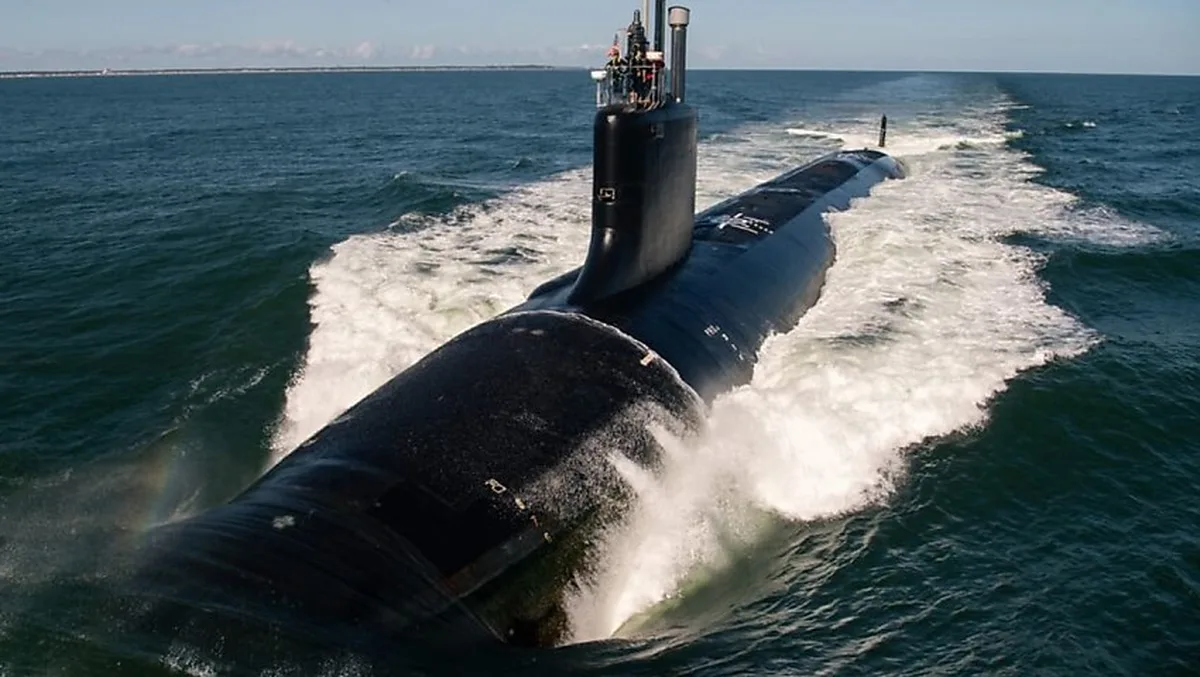
In a notification published by the US State Department in March 2026, the United Kingdom formally requested American assistance in developing a common "vertical deployment tube" and associated weapons launching systems for the SSN-AUKUS submarine program. What began as a $50 million Foreign Military Sale (FMS) notice has since expanded to over $1 billion, encompassing the development of multiple subsystems including common weapon launchers and all-up-round canister support modules.
The inclusion of a Vertical Launch System (VLS) on SSN-AUKUS marks a significant capability uplift over the Astute-class submarines currently in Royal Navy service. VLS cells allow submarines to carry a far greater variety of munitions — from land-attack cruise missiles to anti-ship weapons — without consuming torpedo tube capacity. For the Royal Australian Navy, which is scheduled to receive the first SSN-AUKUS boats in the early 2040s, this represents a step-change in strike capability.
## What This Means for Australian Industry
The FMS agreement includes embedded US industry personnel in the UK and general support from American defence contractors covering engineering, technical, and logistics services. Australian companies seeking to participate in the SSN-AUKUS supply chain will need to meet stringent security and technical standards — including DISP membership at the appropriate level — to qualify for subcontracting opportunities as the program matures.
The common VLS architecture is intended to be shared across both the Royal Navy and Royal Australian Navy fleets, meaning Australian industry has a long-term opportunity to contribute to sustainment and through-life support of these systems once boats enter RAN service.
## Timeline Context
Under the current AUKUS optimal pathway, Australia will receive three Virginia-class submarines from the United States in the 2030s as a bridging capability, with SSN-AUKUS boats entering RAN service from the early 2040s. The Collins-class submarines are undergoing Life of Type Extensions (LOTE) to sustain the force through this transition period.
The VLS development program is expected to run in parallel with broader SSN-AUKUS design work, with the UK targeting a demonstrator milestone before the end of the decade.
## DISP Implications
Australian companies seeking to participate in the SSN-AUKUS program — whether in design, manufacturing, or sustainment — will be required to hold active DISP membership at a level commensurate with the classification of information they handle. Entities working with nuclear propulsion technology or classified weapons data will face the most stringent requirements, including facility security clearances and personnel vetting to NV1 or NV2 level.
*Source: US State Department FMS Notice, March 2026; Naval News, 24 March 2026; The Defense Post, 23 March 2026.*
In a notification published by the US State Department in March 2026, the United Kingdom formally requested American assistance in developing a common "vertical deployment tube" and associated weapons launching systems for the SSN-AUKUS submarine program. What began as a $50 million Foreign Military Sale (FMS) notice has since expanded to over $1 billion, encompassing the development of multiple subsystems including common weapon launchers and all-up-round canister support modules.
The inclusion of a Vertical Launch System (VLS) on SSN-AUKUS marks a significant capability uplift over the Astute-class submarines currently in Royal Navy service. VLS cells allow submarines to carry a far greater variety of munitions — from land-attack cruise missiles to anti-ship weapons — without consuming torpedo tube capacity. For the Royal Australian Navy, which is scheduled to receive the first SSN-AUKUS boats in the early 2040s, this represents a step-change in strike capability.
## What This Means for Australian Industry
The FMS agreement includes embedded US industry personnel in the UK and general support from American defence contractors covering engineering, technical, and logistics services. Australian companies seeking to participate in the SSN-AUKUS supply chain will need to meet stringent security and technical standards — including DISP membership at the appropriate level — to qualify for subcontracting opportunities as the program matures.
The common VLS architecture is intended to be shared across both the Royal Navy and Royal Australian Navy fleets, meaning Australian industry has a long-term opportunity to contribute to sustainment and through-life support of these systems once boats enter RAN service.
## Timeline Context
Under the current AUKUS optimal pathway, Australia will receive three Virginia-class submarines from the United States in the 2030s as a bridging capability, with SSN-AUKUS boats entering RAN service from the early 2040s. The Collins-class submarines are undergoing Life of Type Extensions (LOTE) to sustain the force through this transition period.
The VLS development program is expected to run in parallel with broader SSN-AUKUS design work, with the UK targeting a demonstrator milestone before the end of the decade.
## DISP Implications
Australian companies seeking to participate in the SSN-AUKUS program — whether in design, manufacturing, or sustainment — will be required to hold active DISP membership at a level commensurate with the classification of information they handle. Entities working with nuclear propulsion technology or classified weapons data will face the most stringent requirements, including facility security clearances and personnel vetting to NV1 or NV2 level.
*Source: US State Department FMS Notice, March 2026; Naval News, 24 March 2026; The Defense Post, 23 March 2026.*