## The 3-to-1 Reality
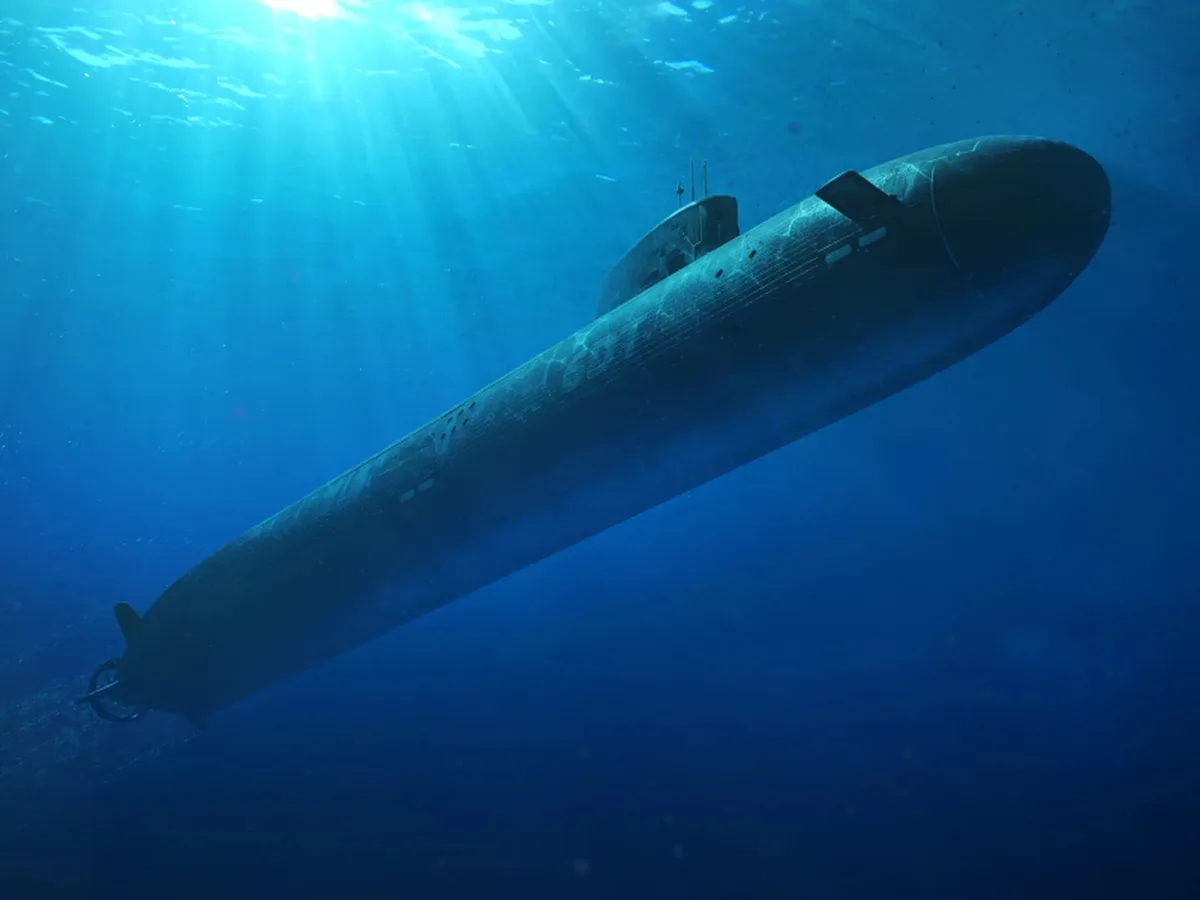
When Australia eventually fields eight nuclear-powered submarines under the AUKUS optimal pathway in 2056, the operational reality will be approximately two consistently deployable boats at any given time. This is not a failure of planning — it is the global standard for submarine forces, driven by the extraordinary complexity of nuclear-propelled vessels and the maintenance cycles they require.
Strategic Analysis Australia's Michael Shoebridge, writing in Defence Connect in March 2026, articulated this clearly: world's best practice is essentially a 3-to-1 ratio. For every three submarines a navy has, one is available for operations. Nuclear submarines, described by Vice Admiral Jonathan Mead — Australia's inaugural Submarine Agency head — as "more complicated than the Space Shuttle or the International Space Station," face compounding maintenance challenges.
## The Collins Precedent
Australia's experience with the Collins-class submarines is instructive. The six Collins boats, when operating at world's best practice under the Coles Review-inspired usage and upkeep cycle, deliver two consistently deployable submarines from a fleet of six. Two boats are always in longer-term maintenance (full cycle dockings), three are available to the Chief of Navy, and only two are consistently deployable.
The Collins fleet is now entering Life of Type Extensions (LOTE) to sustain capability through the AUKUS transition. Each LOTE is planned for a two-year full-cycle docking slot, but early indications suggest these will run longer due to the age of the boats and technical complexity of replacing major systems. This will likely reduce availability during the transition period.
## The US and UK Experience
The US Navy's Virginia-class submarines — the same boats Australia will receive in the 2030s — face similar constraints. Congressional Budget Office analysis shows that extended docking selected restricted availabilities (EDSRAs) planned for 450 days have actually averaged 760 days. The UK's Astute-class boats face comparable challenges.
This is not a criticism of the AUKUS program — it is the operational reality of submarine warfare. The strategic value of nuclear submarines lies in their endurance, stealth, and strike capability, not their numbers.
## What This Means for Industry
The maintenance and sustainment requirement for eight nuclear submarines — even if only two are deployable at any time — represents an enormous and sustained demand signal for Australian industry. Submarine sustainment is not a one-time contract; it is a continuous, decades-long program of work.
Companies that establish DISP membership and develop the security clearances, technical skills, and quality management systems required for nuclear submarine sustainment work will be positioned for generational contracts. The Henderson Defence Precinct is being built precisely to house this capability.
The workforce challenge is equally significant. The RAN is already drawing more sailors into the nuclear submarine pipeline than the Collins pipeline — a trend that will intensify as Virginia-class boats arrive. Industry partners that invest in workforce development and security-cleared personnel will have a structural advantage.
*Source: Defence Connect, 30 March 2026; Congressional Budget Office; Congressional Research Service, 1 January 2026.*
When Australia eventually fields eight nuclear-powered submarines under the AUKUS optimal pathway in 2056, the operational reality will be approximately two consistently deployable boats at any given time. This is not a failure of planning — it is the global standard for submarine forces, driven by the extraordinary complexity of nuclear-propelled vessels and the maintenance cycles they require.
Strategic Analysis Australia's Michael Shoebridge, writing in Defence Connect in March 2026, articulated this clearly: world's best practice is essentially a 3-to-1 ratio. For every three submarines a navy has, one is available for operations. Nuclear submarines, described by Vice Admiral Jonathan Mead — Australia's inaugural Submarine Agency head — as "more complicated than the Space Shuttle or the International Space Station," face compounding maintenance challenges.
## The Collins Precedent
Australia's experience with the Collins-class submarines is instructive. The six Collins boats, when operating at world's best practice under the Coles Review-inspired usage and upkeep cycle, deliver two consistently deployable submarines from a fleet of six. Two boats are always in longer-term maintenance (full cycle dockings), three are available to the Chief of Navy, and only two are consistently deployable.
The Collins fleet is now entering Life of Type Extensions (LOTE) to sustain capability through the AUKUS transition. Each LOTE is planned for a two-year full-cycle docking slot, but early indications suggest these will run longer due to the age of the boats and technical complexity of replacing major systems. This will likely reduce availability during the transition period.
## The US and UK Experience
The US Navy's Virginia-class submarines — the same boats Australia will receive in the 2030s — face similar constraints. Congressional Budget Office analysis shows that extended docking selected restricted availabilities (EDSRAs) planned for 450 days have actually averaged 760 days. The UK's Astute-class boats face comparable challenges.
This is not a criticism of the AUKUS program — it is the operational reality of submarine warfare. The strategic value of nuclear submarines lies in their endurance, stealth, and strike capability, not their numbers.
## What This Means for Industry
The maintenance and sustainment requirement for eight nuclear submarines — even if only two are deployable at any time — represents an enormous and sustained demand signal for Australian industry. Submarine sustainment is not a one-time contract; it is a continuous, decades-long program of work.
Companies that establish DISP membership and develop the security clearances, technical skills, and quality management systems required for nuclear submarine sustainment work will be positioned for generational contracts. The Henderson Defence Precinct is being built precisely to house this capability.
The workforce challenge is equally significant. The RAN is already drawing more sailors into the nuclear submarine pipeline than the Collins pipeline — a trend that will intensify as Virginia-class boats arrive. Industry partners that invest in workforce development and security-cleared personnel will have a structural advantage.
*Source: Defence Connect, 30 March 2026; Congressional Budget Office; Congressional Research Service, 1 January 2026.*